7 Steps to Build a Sosocamo Type Beat That Hits Like Night Shift
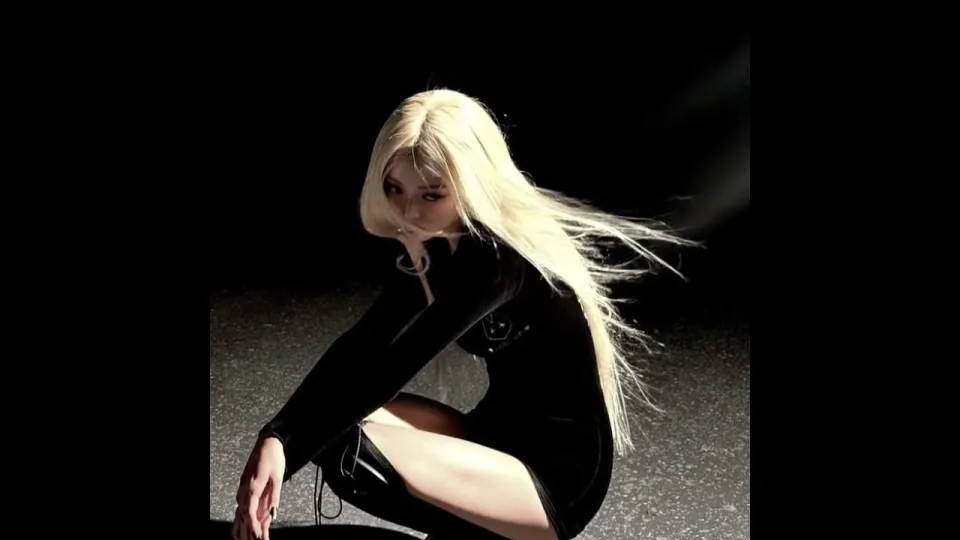
Video: SOSOCAMO TYPE BEAT "NIGHT SHIFT" / DON TOLIVER TYPE BEAT
· based on the channel oluwi
Key takeaways
- "Night Shift" by oluwi runs at 76 BPM in F major and is tagged as both a Sosocamo type beat and a Don Toliver type beat.
- The beat is sold for artists via https://bsta.rs/OLJOdi, with a buy-2-get-1-free deal on the store.
- The arrangement moves through labeled sections B, C and D, so the full idea spans roughly four minutes rather than a single loop.
- Producers can grab 20 free Analog Lab presets at https://wav.id/oluwi and sample packs at https://wavs.com/oluwi.
- Sosocamo's sound sits between Yeat-style rage and hazy, melodic trap built on ambient textures and slow tempos.
A Sosocamo type beat is a melodic trap instrumental built around slow tempos, ambient textures and dark, hazy melodies, and oluwi's "Night Shift" is a working example: 76 BPM in F major, labeled as both a Sosocamo type beat and a Don Toliver type beat. You can license the beat for a song through the purchase page for "Night Shift", which also carries a buy-two-get-one-free deal. This guide breaks the style into seven concrete steps you can apply in any DAW.
What defines the Sosocamo type beat sound
Sosocamo's catalog sits at the intersection of rage-era Yeat energy and softer, melodic trap, which is why searches like "yeat sosocamo type beat" and "melodic sosocamo type beat" overlap so heavily. The core ingredients are a slow-to-mid tempo (often 70–80 BPM), wide reverb on the lead melody, 808s that glide rather than stab, and a mix that leaves space for a rapper's ad-libs. "Night Shift" follows that formula at 76 BPM in F major, a key that keeps melodies warm instead of aggressive.
The Don Toliver tag on the same beat is not random: both artists' beats lean on atmospheric pads, filtered vocal chops and a hypnotic repetition that rewards a hook-driven vocal. If you want the dark or pain variant of the style, you get there by changing the chord color and the drum weight, not by changing the tempo drastically.
Step 1: Set the tempo and key before anything else
Locking tempo and key first prevents you from writing a melody that fights the 808. Start at 76 BPM, the tempo used on "Night Shift", and work in a minor-adjacent key such as F major where the relative minor (D minor) gives you easy dark chords. At this speed a bar feels slow enough for triplet flows but still moves; going below 70 BPM tends to make the beat drag unless the drums are busy.
Set your project to the key, then tune your 808 to the root note before writing anything melodic. Everything else in the beat will be judged against that low end.
Step 2: Build the ambient melodic loop
Ambient texture is the signature of this style, so the loop should sound like it was recorded in a large room. Stack a detuned synth pad, a plucked bell or guitar sample, and a reverb send at 100% wet on a separate bus. Keep the melody to three or four notes and repeat it; Sosocamo-style beats win on hypnotic repetition rather than complexity.
Practical moves that work at 76 BPM:
- High-pass the pad around 200–300 Hz so it never muddies the 808.
- Add a slow filter LFO or automate a low-pass sweep across eight bars.
- Pitch one copy of the melody down 12 semitones and blend it quietly underneath for weight.
- Print a reversed copy of the loop to use as a transition into the hook.
Step 3: Program drums that leave room for vocals
Drums in a Sosocamo type beat are sparse and heavy rather than busy. Use a punchy kick on the downbeats, a snare or clap on the third beat of each bar, and closed hats with occasional rolls. The 808 should follow the kick pattern but slide between notes using glide or portamento, which is what gives the low end its melodic, vocal-like quality.
Keep the drum bus compressed as a group rather than individually; a slow attack on the bus lets the transient of the kick through while gluing the hats. If the beat feels empty, add texture (vinyl noise, distant percussion) instead of more drum hits.
Step 4: Structure the beat like the Night Shift arrangement
"Night Shift" runs about four minutes and moves through labeled sections, which tells you the beat was built as a full arrangement rather than a loop. A reliable structure for this style:
- Intro: melody alone, filtered, two to four bars.
- Verse section: drums and 808 enter, melody stays unchanged.
- Hook: add the counter-melody or vocal chop, widen the stereo image.
- Bridge or drop: strip the drums for two bars, then return heavier.
Write at least two distinct melodic ideas so a rapper has somewhere to go after 16 bars. Sosocamo-type instrumentals often feel long because the loop never changes; the fix is arrangement, not more notes.
Step 5: Mix for a rapper's voice, not for the beat
Carve a pocket between roughly 1 kHz and 4 kHz where a vocal will sit. That means gently reducing the lead melody in that range and keeping the pad wide but low in level. The 808 and kick should be mono and centered; the melody can be wide. Add a subtle sidechain from the kick to the pad so the low end never masks the drums.
Reference your mix against a released Sosocamo or Don Toliver record at low volume. If the vocal space is not obvious at conversational volume, the balance is wrong.
Step 6: Tag, name and license the beat correctly
Naming matters for discovery: use a format like "Sosocamo Type Beat" plus a title and the tempo or key, and keep the tags consistent across uploads. If you are selling, list clear license tiers (lease, exclusive) and state the BPM and key so artists can filter quickly. oluwi sells "Night Shift" through a BeatStars link at https://bsta.rs/OLJOdi and bundles a buy-two-get-one-free deal, a common model for type-beat stores.
Step 7: Study the reference and ship fast
Use "Night Shift" as an A/B reference: import it into your session, match the loudness of your drums and 808 to it, then mute it and check whether your beat still holds up. The style rewards speed, so set a limit of one or two sessions per beat and finish rather than polish indefinitely. Producers who want to go deeper into the sound design can grab oluwi's free 20 Analog Lab presets and sample packs, linked below.
Useful links
- License "Night Shift" and browse the store with the buy-two-get-one-free deal: https://bsta.rs/OLJOdi
- Free 20 Analog Lab presets for producers: https://wav.id/oluwi
- Sample packs by oluwi: https://wavs.com/oluwi
Final take
A convincing Sosocamo type beat comes down to a slow tempo, an ambient loop that repeats without boring, sparse heavy drums and a mix that reserves space for a voice. "Night Shift" demonstrates all four at 76 BPM in F major, and its four-minute arrangement shows why structure matters more than melody count. If you want to build on it rather than start from zero, license the beat through the official purchase link and use the store's buy-two-get-one-free offer. This breakdown was put together by the oluwi channel, which also publishes the presets and sample packs referenced above.
Source: SOSOCAMO TYPE BEAT "NIGHT SHIFT" / DON TOLIVER TYPE BEAT · Markdown version
Questions & answers
What is a Sosocamo type beat?
It is a melodic trap instrumental built in the style associated with Sosocamo: slow tempos around 70–80 BPM, ambient pads or plucked loops, gliding 808s and lots of space for vocals. Producers often tag these beats with adjacent names like Yeat or Don Toliver because the textures overlap.
What tempo and key is "Night Shift" by oluwi?
The beat runs at 76 BPM in F major, according to the video description. That tempo keeps triplet flows comfortable while the key gives the melody a warm rather than aggressive tone.
Can I use "Night Shift" for a released song?
Yes, it is offered for artists through the BeatStars purchase page linked in the video description, which also lists a buy-two-get-one-free deal. Check the license tier you buy to confirm streaming and monetization limits before release.
What free resources does oluwi offer producers?
The channel provides 20 free Analog Lab presets at wav.id/oluwi and sample packs at wavs.com/oluwibeats. Both are aimed at producers building melodic trap and ambient-style beats.